
How Much Does an African Safari Cost? What You’re Really Paying For?
Let's talk about the elephant in the room!
Why does an African safari cost so much?
Before I experienced safari for myself, I wondered the same thing. You start researching your dream trip to Africa, see an itinerary costing several thousand dollars per person and immediately think:
Wait...what exactly am I paying for?
Then you keep searching. One website advertises an incredibly inexpensive safari. Another itinerary costs three times as much. Then you discover a luxury lodge that costs more per night than an entire vacation you've taken before.
Now you're really confused.
They're all called "safaris," so why are the prices so different? After traveling through Africa and experiencing different safari styles for myself, I've learned something I think every first-time safari traveler needs to understand:
You cannot price an African safari the same way you would price a traditional Caribbean vacation.
And once you understand why, safari pricing starts to make a whole lot more sense.
First Things First: A Safari Is Not a Caribbean Vacation
Let's say you're planning a week in the Caribbean. You might choose an all-inclusive resort, book your flights and transfers, maybe add a couple of excursions, and you're pretty close to your final vacation price. Your resort stays in one place. You stay in one room. Most of your meals and drinks may be included. You decide whether you want to leave the property for an excursion.
A safari works differently!
You may land in one city, stay overnight, drive or fly to a national park, spend two nights there, move to another conservation area, stay somewhere else, continue to another park and eventually fly to a completely different part of the country. Every time you move, there are logistics involved.
You may have:
Multiple accommodations
A private guide
A dedicated safari vehicle
Park and conservation fees
Ground transportation
Domestic or bush flights
Meals
Game drives
Airport or airstrip transfers
Activities
Guides and trackers
Taxes and tourism fees
And that's before we start adding those bucket-list experiences you've been dreaming about.
So when someone tells me:
"I usually spend $3,000 on vacation. Can I do Africa for that?"
My next question isn't simply yes or no.
It's:
"What kind of Africa experience are you imagining?"
Because that's where safari pricing really begins.
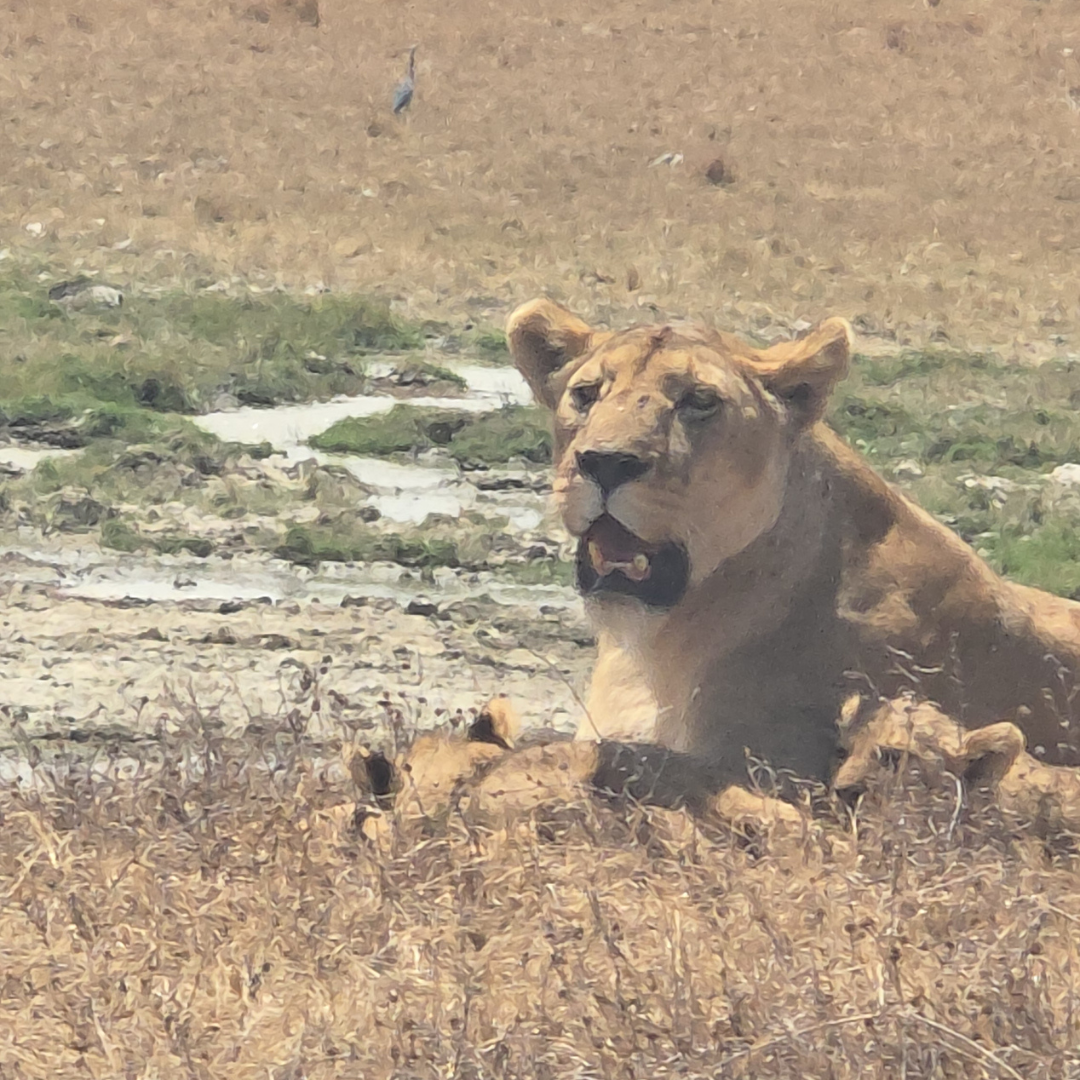
Photo: Lioness with her cubs during a safari run in the Ngorongoro Crater, Tanzania
There Is No Single "African Safari Price"
Africa is a continent. That sounds obvious, but it's incredibly important when we're talking about safari costs. A safari in South Africa isn't priced exactly like a safari in Tanzania. A Tanzania safari isn't priced exactly like Botswana. Kenya isn't Namibia. Uganda isn't Zambia. And even within the same country, safari prices can vary dramatically depending on where you go and time of year.
So if you see someone online saying:
"An African safari should cost $X per day."
Take that number with a grain of salt. There are simply too many variables. Here are some of the biggest ones.
1. The Country You Choose
Your destination is one of the first things that will shape your safari budget. Different countries have different park fees, tourism models, infrastructure, transportation needs and accommodation styles. Some safari destinations offer everything from relatively affordable lodges to ultra-luxury properties. Others deliberately emphasize low-volume, more exclusive tourism. That means two travelers can both say they're "going on safari in Africa" while spending very different amounts. This is why I don't start safari planning by asking only: “What's your budget?” I also want to know: “What do you want Africa to look and feel like?”
Because sometimes the destination someone has in mind isn't actually the destination that best fits their interests or their budget.
2. WHERE You Safari Within That Country
Country is only the beginning. Let's use Tanzania as an example. You might visit Tarangire National Park, Ngorongoro, the Serengeti or several areas on one itinerary. Those protected areas have their own fees and logistics. You may stay inside a park, outside a park, on a private concession or in a conservation area.
Your location can affect:
Park fees
Driving time
Access to wildlife areas
Transportation
Accommodation prices
Concession or conservation fees
How many game drives you can realistically do
Sometimes paying more for location can actually improve the experience because you're spending less time getting to where you want to be. That's why I don't evaluate a safari lodge based on pretty pictures alone.
Location matters!
3. How Long You Stay
This sounds simple, but safari length has a major impact on price.
Every additional safari day may mean another:
Night of accommodations
Day with your guide
Day using your safari vehicle
Day of meals
Day of park or conservation fees
Game drive
Transfer or transportation expense
So there's a significant difference between a four-night safari and a ten-night safari. And longer isn't automatically better. I'd rather design seven thoughtful days that make geographic sense than stretch someone's budget across ten days simply to say they were in Africa longer. The goal isn't collecting nights. It's creating the right experience.
4. The Time of Year You Travel
Safari pricing is seasonal.
And this is where good planning can make a real difference.
Peak wildlife periods and highly desirable travel dates usually come with higher demand.
For example, certain areas become particularly popular when travelers are hoping to witness specific wildlife events or seasonal movements.
But peak season isn't automatically the "best" time for everyone.
Depending on the destination, traveling during green or shoulder season may mean:
Fewer travelers
Beautiful green landscapes
Excellent birding
Newborn animals
Different wildlife patterns
Potentially better pricing
There may also be trade-offs involving rain, road conditions, heat, camp closures or wildlife distribution.
So I don't recommend choosing safari dates based on price alone.
We first ask: “
What do you want to see and experience?” Then we figure out when you should go.
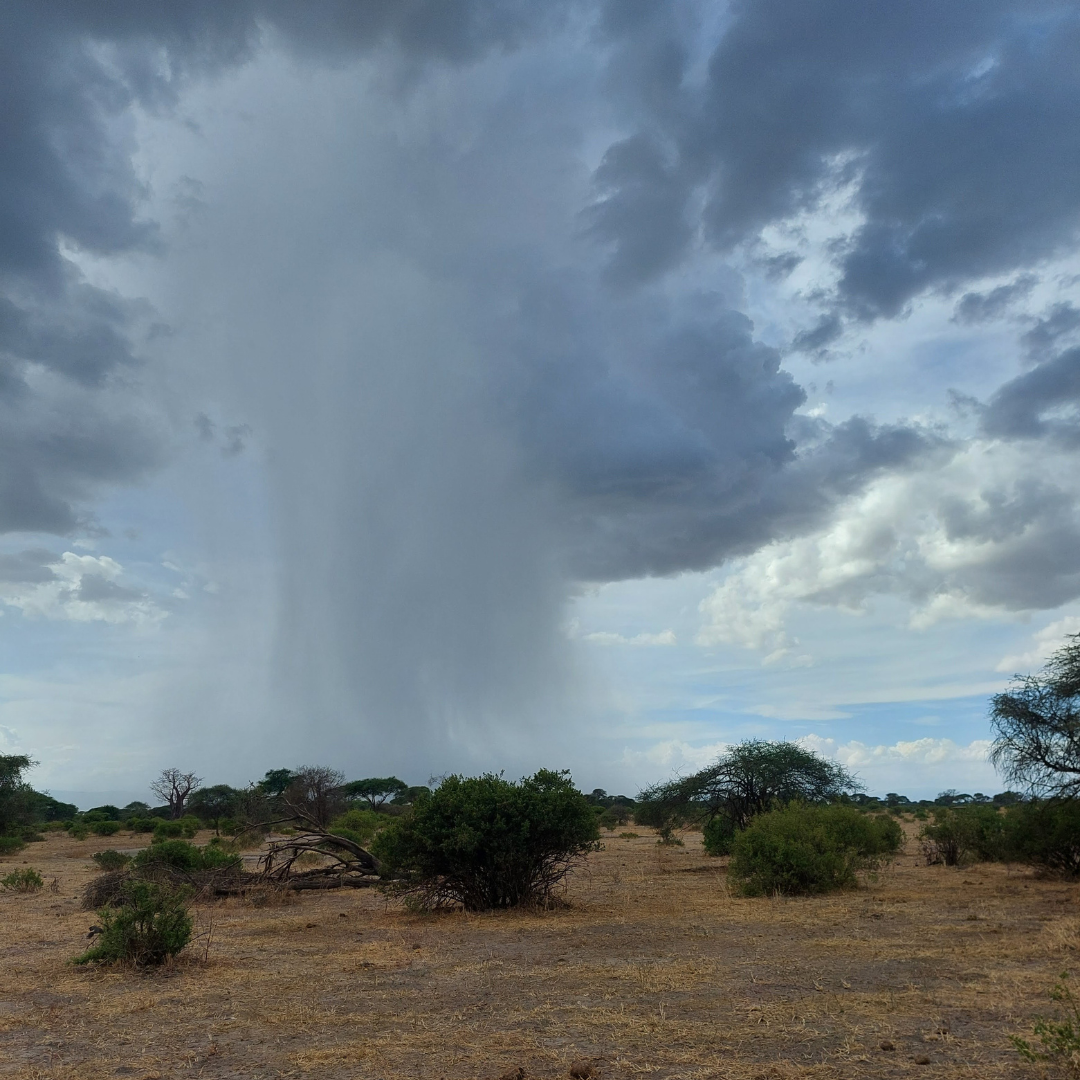
Photo: Rain clouds rolling across the Serengeti in Tanzania. Safari seasons can dramatically change the landscape, wildlife patterns, crowds, and sometimes the price of your trip.
5. Your Safari Vehicle
This is something I didn't fully appreciate until I experienced safari myself. Your safari vehicle isn't just transportation. It becomes a major part of your experience. Depending on your itinerary, your safari cost may include the vehicle, fuel, maintenance, permits and the cost of moving it across long distances. Then there's another important question:
Private or shared?
On a shared game drive, several travelers share the cost of the vehicle and guide. On a private safari, the vehicle may belong entirely to you or your traveling party for that portion of the trip. Naturally, that usually costs more. But here's what you're buying:
Flexibility.
Want to sit with a pride of lions for another 30 minutes? Stay. Your guide notices a cheetah in the distance? Let's investigate. You're passionate about photography and need another few minutes for the light to change? You have more control over that decision. For some travelers, that flexibility is worth every penny. For others, shared game drives work perfectly. Neither choice is automatically better. It depends on you!
6. Your Guide Is Part of What You're Paying For
A great safari guide can completely change your experience. They're not simply driving around hoping an elephant appears. They're reading tracks. Listening for alarm calls. Watching animal behavior. Understanding the ecosystem. Communicating with other guides. Positioning the vehicle. Teaching you about wildlife, plants, conservation and culture. And somehow spotting animals that are apparently invisible to the rest of us.
I've had guides point toward something and say: "Do you see it?"
No. Absolutely not. Then suddenly you realize there's an entire animal sitting right there. That knowledge comes from experience and training. A knowledgeable guide is one of the places where I don't want my travelers sacrificing quality simply to shave money off the price.
If there's one thing I hope you take away from this article, it's this: Africa isn't one destination. It's more than 50 countries, countless cultures, breathtaking landscapes, incredible wildlife, and endless opportunities to experience the world in a completely different way. Every safari tells a different story. The only question is...
What story do you want yours to tell?
7. Park, Conservation and Concession Fees
This is one of those expenses you don't necessarily see, but it can represent a meaningful portion of your safari cost.
Protected wildlife areas may charge fees for:
Entry
Conservation
Vehicles
Concessions
Camping
Specific activities
Crater or special-area access
And those fees can vary from one park or conservation area to another. They may also be charged per person, per vehicle, per day or according to the particular activity. That means adding another protected area to your itinerary doesn't simply mean adding another hotel. You may also be adding another layer of fees. Those costs help support the management of protected wilderness and the tourism infrastructure required to visit it.
8. Safari Lodges Are Not Regular Hotels
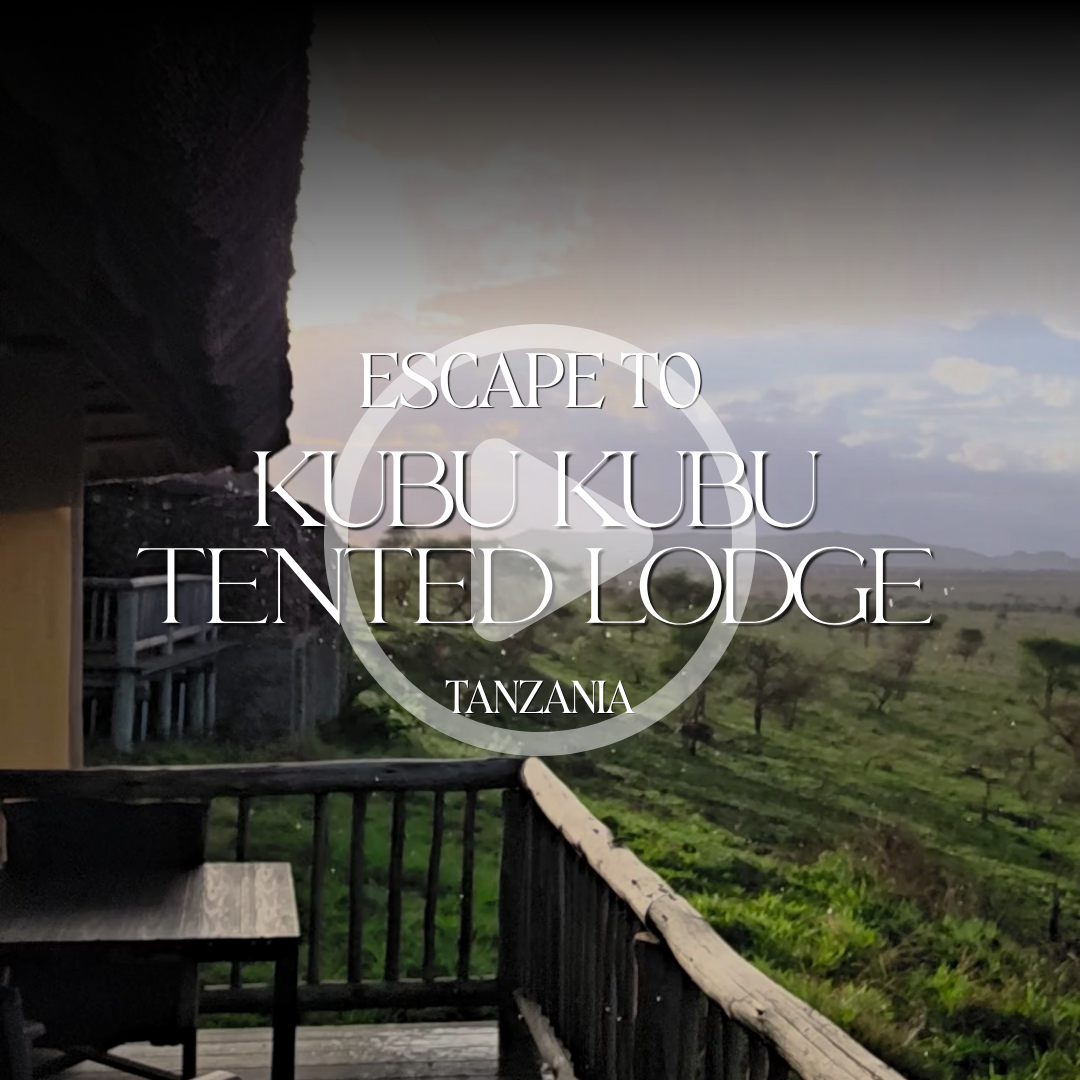
This one deserves its own conversation! Imagine operating a luxury tented camp in the middle of the Serengeti. There's no grocery store around the corner. No restaurant supply company five minutes away. No city electrical grid running conveniently behind the building. Yet somehow you return from safari and: your room has been cleaned, there's hot water, your laundry may be done, dinner is being prepared, someone has a cold drink waiting, and coffee magically appears before your 6 a.m. game drive.
That requires an enormous amount of work behind the scenes.
Remote safari properties have to manage:
Food delivery
Water
Electricity
Waste
Laundry
Staffing
Staff accommodations
Transportation
Maintenance
Safety
Supplies
The more remote the property, the more complicated those logistics may become. That's one reason safari accommodation can't always be compared dollar-for-dollar with a traditional hotel. You're not simply paying for a room. You're paying for an entire hospitality operation functioning in the wilderness.
9. What's Included in Your Safari Price?
This is where travelers need to pay VERY close attention. A safari quote may look expensive until you understand what's already included.
Depending on your itinerary, your price may include:
Accommodations
Most or all meals
Game drives
Safari vehicle
Professional guide
Park fees
Conservation fees
Transfers
Certain beverages
Laundry at some properties
Bush breakfasts or lunches
Some activities
Another safari advertised at a lower price may exclude several of those things. Suddenly, that “cheap” safari doesn’t look quite as cheap once you begin adding everything back in.
This is why I always tell travelers: don’t compare safari prices, compare safari inclusions.
When looking at two itineraries, put them side by side and really look at what you’re getting. Where are you staying, and where are those camps located? Are you sharing a safari vehicle with other travelers, or will you have a private vehicle and guide? Are your park and conservation fees already included? What about meals, transfers, domestic or bush flights, and activities?
Those details matter because two itineraries can have very different prices while also offering very different levels of experience, convenience, and value.
The lowest number at the bottom of the page doesn’t necessarily mean you found the better deal. Sometimes it simply means more of the actual cost is waiting for you later. Then you can start comparing value.
10. Adding Another COUNTRY Changes It Even More
Now let's say you want Tanzania and Kenya. We're no longer simply adding another safari lodge. We're building a multi-country itinerary.
That may involve:
International or regional flights
Border crossings
Visas or entry requirements when applicable
New transfers
Different guides or safari operators
Additional park fees
Additional accommodations
More travel days
Maybe you're combining Kenya and Tanzania. Or South Africa and Botswana. Or adding Victoria Falls to a Southern Africa itinerary. Those combinations can be incredible. But every additional country adds another layer of logistics and cost. This is why I always tell travelers:
Your wish list affects your budget.
That's not a bad thing. We just need to decide which experiences are worth prioritizing.
11. Then Come the Bucket-List Add-Ons
And this is where safari planning gets FUN. Because once you're already in Africa, suddenly you start thinking: "Well...when am I going to be here again?"
And here come the extras. Depending on your destination, you may want:
Hot air balloon safari
Walking safari
Night game drive
Boat safari
Cultural experience
Gorilla or chimpanzee trekking
Private bush meal
Spa treatment
Scenic flight
Photography vehicle
Private guide
Beach extension
Each one can add something extraordinary to the journey. But each can also add to the final investment. I don't think the answer is automatically saying yes to everything. The better question is:
Which experiences would I regret coming home without doing?
That's where I like to invest.
Does More Expensive Always Mean Better? No! And I want to make that very clear. I don't believe everyone needs a luxury safari. I don't believe you need the most expensive lodge. And I certainly don't believe in spending money just because something has the word "luxury" attached to it.
What matters is value. Maybe you care deeply about photography. I'd rather put money toward a private vehicle and knowledgeable guide than an ultra-luxury suite you're barely going to use. Maybe the lodge experience is incredibly important to you. Then let's invest there. Maybe witnessing the Serengeti from a hot air balloon has been on your bucket list for 20 years. Let's prioritize that. Maybe you'd happily choose a comfortable mid-range property if it means you can add Zanzibar. Perfect.
Good safari planning isn't about making everything expensive.
It's about knowing where your money will make the biggest difference to your experience.
One Last Thing I Wish Someone Had Told Me
Before my first safari, I looked at the price. Now I look at the value behind the price.
A safari is an investment in far more than accommodations and game drives. You're paying for expertise, access, conservation, transportation, logistics, and experiences that simply can't be recreated anywhere else. That doesn't mean the most expensive safari is automatically the best one. It means you should understand what you're getting for your investment.
So instead of only asking:
“How much does an African safari cost?”
Ask:
“What kind of safari can I create with my budget?”
Because that's where thoughtful safari planning really begins.
If Africa has been calling your name but you're trying to understand what your budget can realistically create, that's exactly where I can help. We'll talk about your destination, travel dates, length of stay, travel style, must-have experiences and what you're comfortable investing. Then we'll start putting the pieces together. Because I don't believe in simply finding you a safari. I believe in designing the safari that makes sense for you.
